
A day with the RNLI: Celebrating the past, funding the future
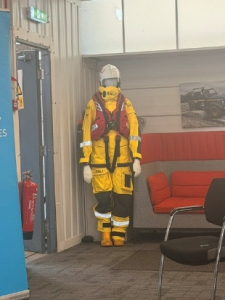
On behalf of the Lifeboat Fund, I recently attended the RNLI Partner Day, bringing together supporters and partners to hear first-hand about the charity’s priorities for the year ahead and into 2027. It was an inspiring day that not only highlighted the incredible work of RNLI volunteers and staff but also reinforced just how important our partnership is in helping to save lives at sea and along our coastlines. You can read more about the organisations (including the Civil Service) supporting RNLI, here: About the Lifeboat Fund.
The event focused on four major campaigns that will shape the RNLI’s fundraising and public engagement efforts over the coming months.
25 Years of Lifeguards: Protecting Our Beaches
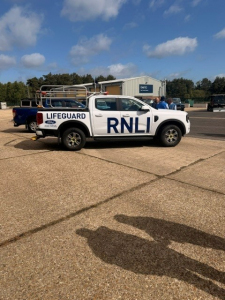
This year marks 25 years of RNLI lifeguarding, a significant milestone in the charity’s history. Since taking on responsibility for lifeguarding services on beaches across the UK and Ireland, RNLI lifeguards have become a familiar and reassuring presence for millions of beachgoers.
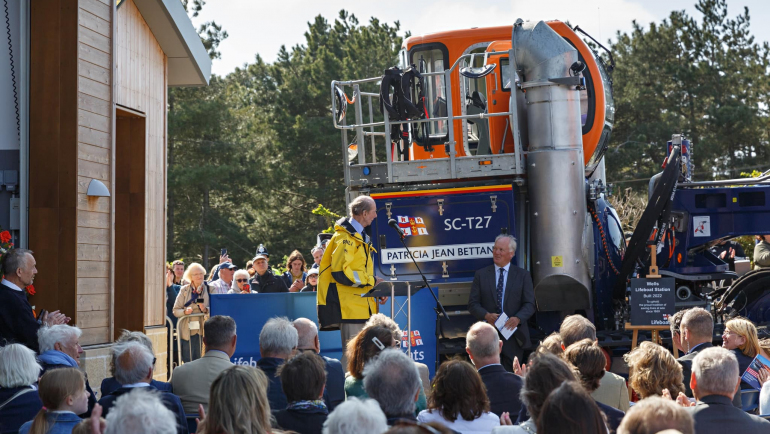
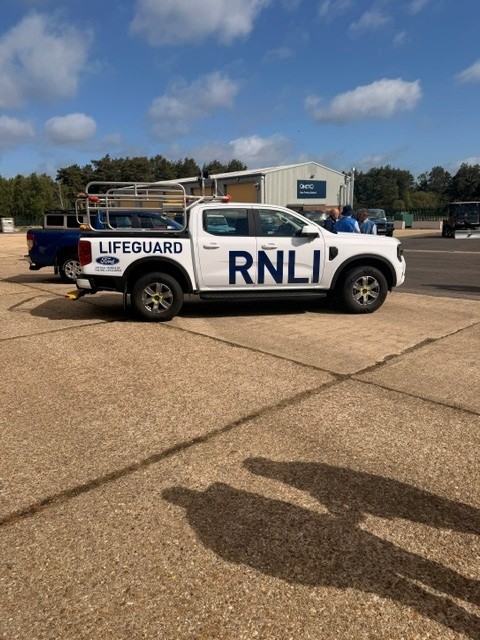
This anniversary is particularly significant for The Lifeboat Fund because the vehicles we are helping to secure will be used primarily by RNLI lifeguards. These specialist coastal vehicles enable lifeguards to patrol extensive stretches of coastline, transport vital lifesaving equipment and respond quickly when every second counts.
Hearing first-hand about the impact these vehicles have on daily operations brought to life exactly why our fundraising efforts matter.
Save Our Sheds: Preserving Lifesaving Infrastructure
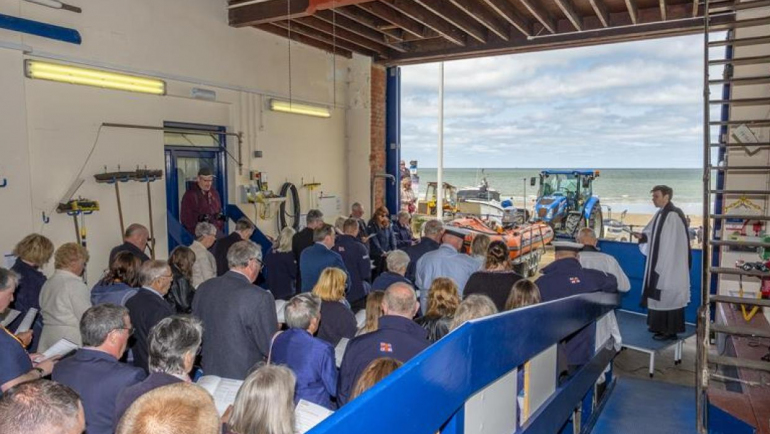
One of the RNLI’s largest challenges is maintaining an ageing estate. Many lifeboat stations, boathouses and operational buildings are approaching or have exceeded 100 years of service.
The aptly named “Save Our Sheds” campaign focuses on modernising, repairing and replacing critical infrastructure that supports lifesaving operations around the UK. While lifeboats and rescue equipment are often the most visible symbols of the RNLI, these stations and support facilities are equally essential.
Many of these historic buildings have served generations of crews and communities, but they now require significant investment to ensure they remain fit for purpose for decades to come. It was clear from the presentations that maintaining this estate represents one of the RNLI’s most substantial financial commitments.
25 Years of Saving Lives in London
The RNLI is also celebrating 25 years of operations in London, marking a quarter-century of lifesaving work on the River Thames.
What surprised many attendees was the statistic that only around half of Londoners recognise the RNLI’s presence and role on the Thames. Yet RNLI crews respond to incidents across one of the busiest waterways in the country, providing a vital rescue service to those who live, work and travel in the capital.
This anniversary offers a fantastic opportunity to raise awareness of the RNLI’s work in London. Given The Lifeboat Fund’s strong connections across the Civil Service and Whitehall community, there may be exciting opportunities to support and amplify this important campaign.
Reaching the Next Generation
The final major priority focused on Generation Z and Millennials.
The RNLI shared concerns that awareness and recognition among these groups is significantly lower than in older generations. As a result, much of the charity’s future campaigning will be targeted towards younger audiences to ensure that the next generation understands both the risks associated with water and the RNLI’s role in keeping people safe.
This presents an important opportunity for partners such as The Lifeboat Fund. With many younger colleagues working across government departments and the Civil Service, there is potential to explore more digital approaches to engagement, helping connect a new generation with the RNLI’s mission and encouraging future support.
Bringing Lifesaving to Life
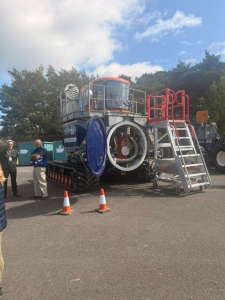
While the presentations were informative, one of the most memorable aspects of the day was the opportunity to experience RNLI operations first-hand.
Attendees were able to see the equipment that The Lifeboat Fund is helping to fund and learn more about the critical role lifeguards play in preventing incidents before they happen. Seeing this equipment up close provided a tangible reminder that fundraising translates directly into practical tools that help save lives.
There was also the chance to get behind the wheel of the RNLI’s new coastal operations vehicle, the INEOS Grenadier. Designed to operate in challenging coastal environments, the vehicle demonstrated the capability, resilience and practicality required to support lifesaving operations on beaches and coastlines around the country.
Looking Ahead
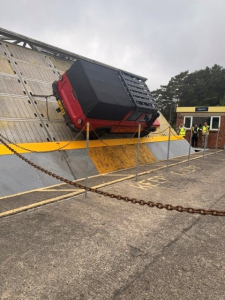
The RNLI Partner Day was a powerful reminder that saving lives depends on far more than lifeboats alone. It requires trained lifeguards, modern facilities, effective public awareness campaigns and the right equipment to support volunteers and staff in every aspect of their work.
As The Lifeboat Fund continues its efforts to support the RNLI, it is encouraging to see such a clear focus on protecting vital infrastructure, celebrating important milestones and engaging the next generation of supporters.
Most importantly, the day reinforced the direct connection between the generosity of our supporters and the lifesaving capability of the RNLI. Every pound raised helps ensure that when people need help most, the RNLI is ready to answer the call.